
Damages: An improvisational approach to jury verdicts
Thoughts on closing argument, risk, and letting jurors feel the loss
I’ve never believed closing argument is about slides or speeches. It’s not about reading your outline or regurgitating the facts. It’s not about summarizing testimony like you’re giving a book report. Closing is about meaning, feeling. Liability is usually an event. Damages are a life. And if you treat damages like numbers, jurors will treat them like numbers. If you treat damages like a human experience, jurors will respond like human beings.
Over the years I’ve done some things in closing that people would probably tell you not to do in trial-advocacy class. I’ve spoken as a tree in a case against a city. I’ve used an Oscar the Grouch puppet to interrupt me when the defense argument was ridiculous. I did my closing as a game show, “Tell The Truth,” and I put up three defense experts and used what I called a “BS Meter” to walk the jury through their credibility problems. I’ve used drawings instead of photographs to tell my client’s story. I’ve even played a short clip from Ratatouille in a toxic-exposure case. None of it was for show. (Well…maybe a little.) Every single one of those choices was about one thing: Helping jurors feel the loss. Because jurors do not compensate diagnoses. They compensate experiences.
Damages are invisible
The defense wants damages to live in a medical chart. They want the jury focused on imaging, preexisting conditions, degenerative findings, ranges of motion. They want everything clinical because clinical is safe. A herniation is abstract. Chronic pain is abstract. Anosmia sounds technical. But not being able to pick up your granddaughter? Not sleeping through the night? Not smelling your spouse’s perfume ever again? That’s not abstract. That’s life.
When I prepare a closing on damages, I ask myself: What does this injury and the pain it causes steal at 6:00 in the morning? What does it steal at dinner with the family? What does it steal on holidays? What does it steal at retirement? If you don’t answer those questions, the defense will. And they will answer them by shrinking everything or stating, he can still do all of those things.
When I became the tree
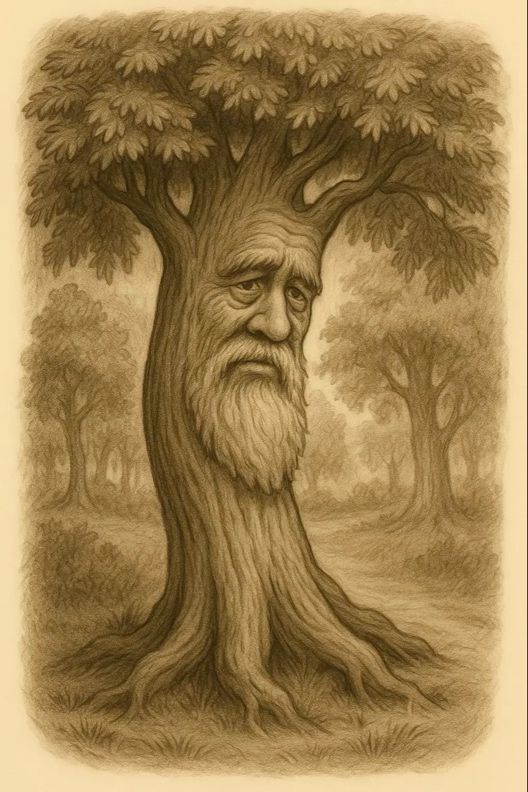
In a case against a city, my client was catastrophically injured when a municipal tree limb failed and fell on my client’s head and neck. The city’s theme was predictable: “Trees fall.” “It was an accident.” “No one could have known.” They turned the tree into an act of God. But the arborist testimony showed internal decay, prior markings, neglect. So, in closing, I stepped out from behind the podium and I became the tree. Not jokingly. Not theatrically. I slowed down and said, in first person, “I didn’t want to hurt anyone. I stood in that park for decades… but over time, I began to crack. I wasn’t hiding it – I showed signs. But no one came to check… And when I broke, I fell on a man who did nothing wrong. A man out for a walk in a park that promised safety. The city did too little too late. And in that moment, I became what they let me become – dangerous.”
Everything I said came directly from the evidence. I didn’t invent anything. I just changed perspective. And what happened was interesting: The jury stopped seeing the tree as random nature. They saw it as ignored responsibility. Once responsibility felt human, damages felt justified. Sometimes changing perspective is more powerful than changing words.
Oscar the Grouch
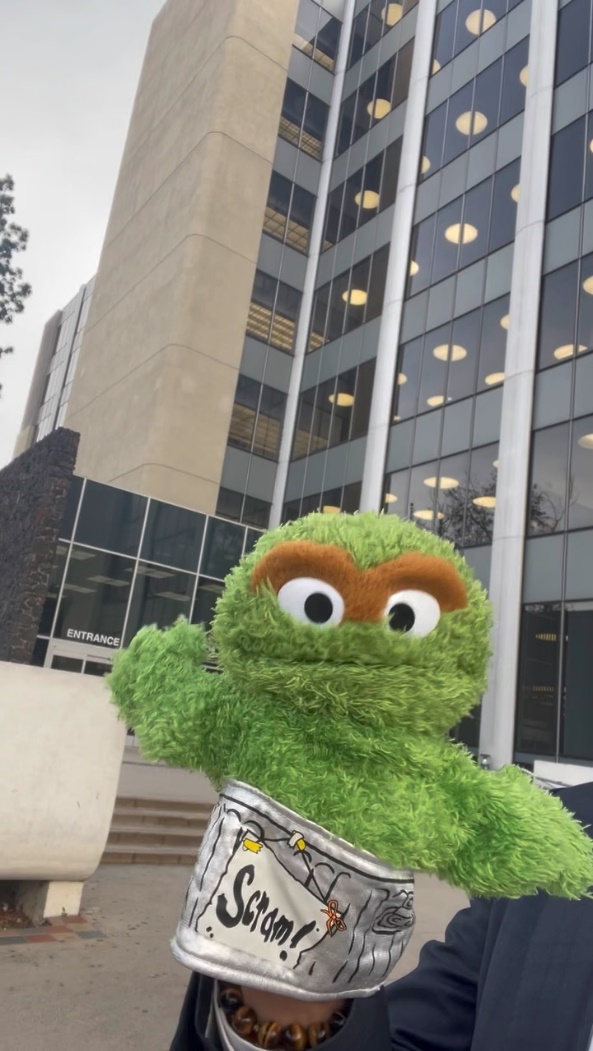
In another case, the defense position was so unreasonable it almost didn’t need cross-examination. They denied obvious injury. They blamed the victim. They minimized everything. So, I externalized it. I brought out an Oscar the Grouch puppet. Every time I made a point about damages, Oscar interrupted: “It’s degenerative!” “She was fine before!” “No one needs surgery!” “Don’t watch the video!” The jury laughed. But here’s the important part: I wasn’t mocking opposing counsel. I was isolating the argument. I told the jury what I just did was ridiculous, but not as ridiculous as the defense arguments. When you strip a ridiculous position of its professional delivery and let jurors hear it plainly, they recognize it for what it is, malarky.
Humor relaxes a room. And when jurors relax, they are less afraid to return a full verdict. Fear causes compromise. Clarity causes conviction.
The Terminix case and the game show
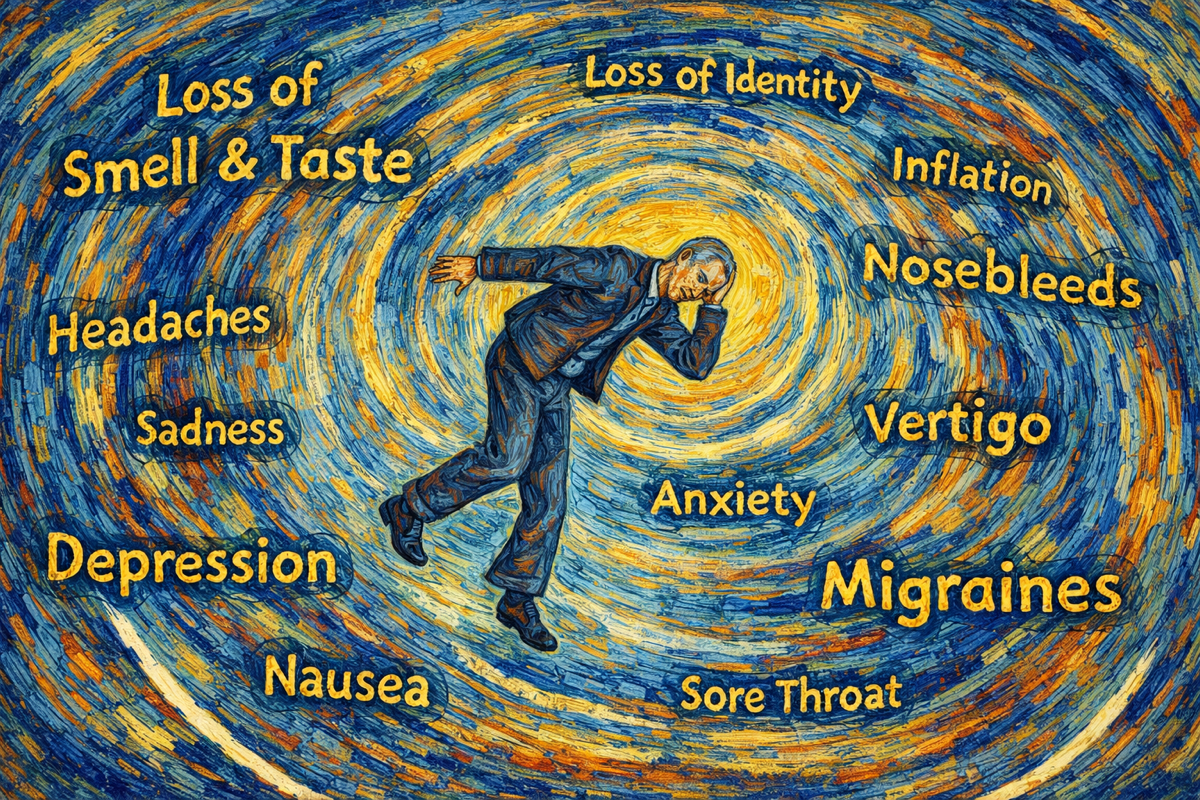
In a toxic-exposure case against Terminix, my client permanently lost his ability to taste and smell. The defense hired three experts. Each one tried to minimize or disconnect the loss and deny causing the harm. Each one came in with certainty. Each one unraveled under cross-examination. So, in closing I framed it as “Tell the Truth,” a game show where the jurors had to determine whether the experts were telling the truth or lying through their teeth. I put the three experts up visually and walked the jury through their inconsistencies. Where they contradicted prior testimony. Where they changed opinions midstream. Where they ignored objective findings. Where their confidence evaporated when confronted. And I used what I called a “BS Meter.” Every time the expert dodged, deflected, or contradicted himself, the meter went up. This wasn’t theater for theater’s sake. It was organization. (OK, it was for theater too!)
Jurors are instructed to evaluate credibility. But we rarely give them a clean structure for doing it. The BS Meter was simply a visual way of saying: You saw this. You heard this. You felt this. And here’s the strategic reality: Once the jury stops believing the defense experts, the defense damages story collapses. They don’t have an alternative human explanation. They just have doubt. When credibility goes, doubt goes with it. Only after dismantling their experts did I show a short clip from Ratatouille – the moment when the critic tastes food and is transported back to childhood. I told the jury: “That is what he lost.” Not flavor. Not scent. Memories. Connection. His identity. By that point, they were ready to understand the magnitude of the loss.
(Editor’s note: We can’t show you the clips from Ratatouille as Brian used them in the courtroom; copyright law is a bitch.)
Why I use drawings instead of photographs
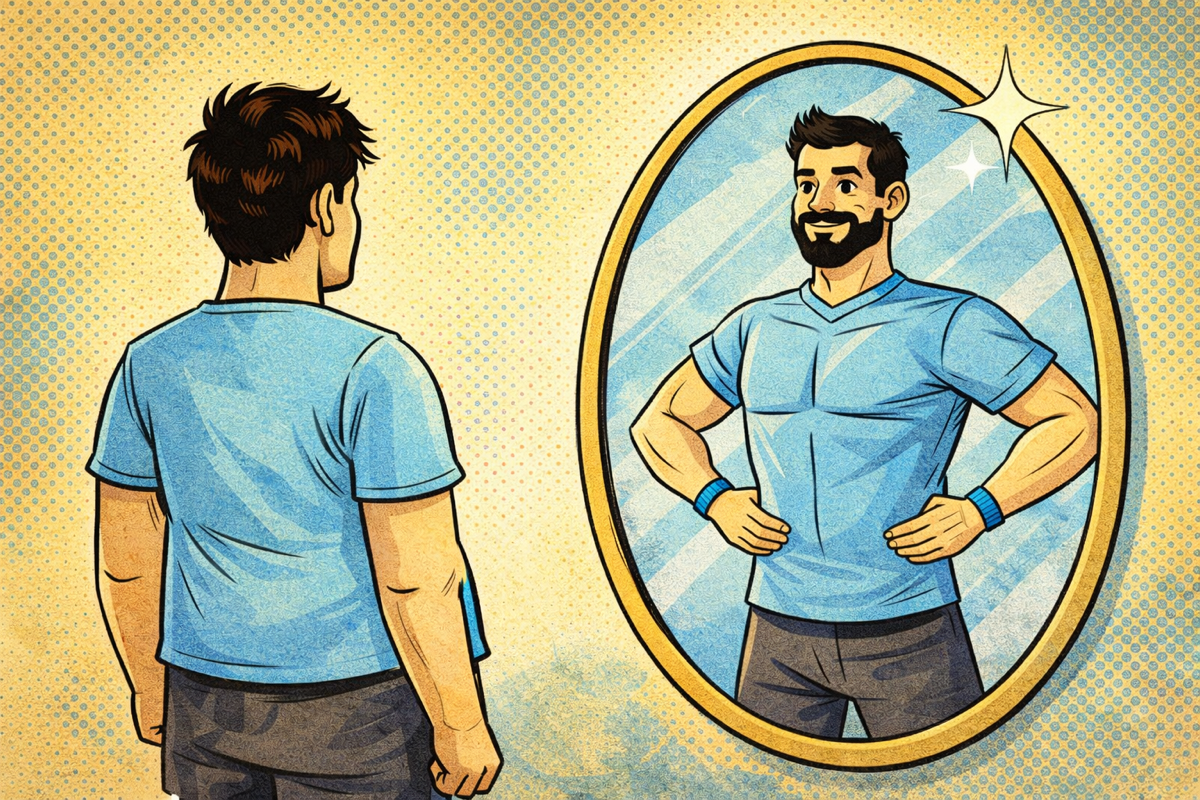
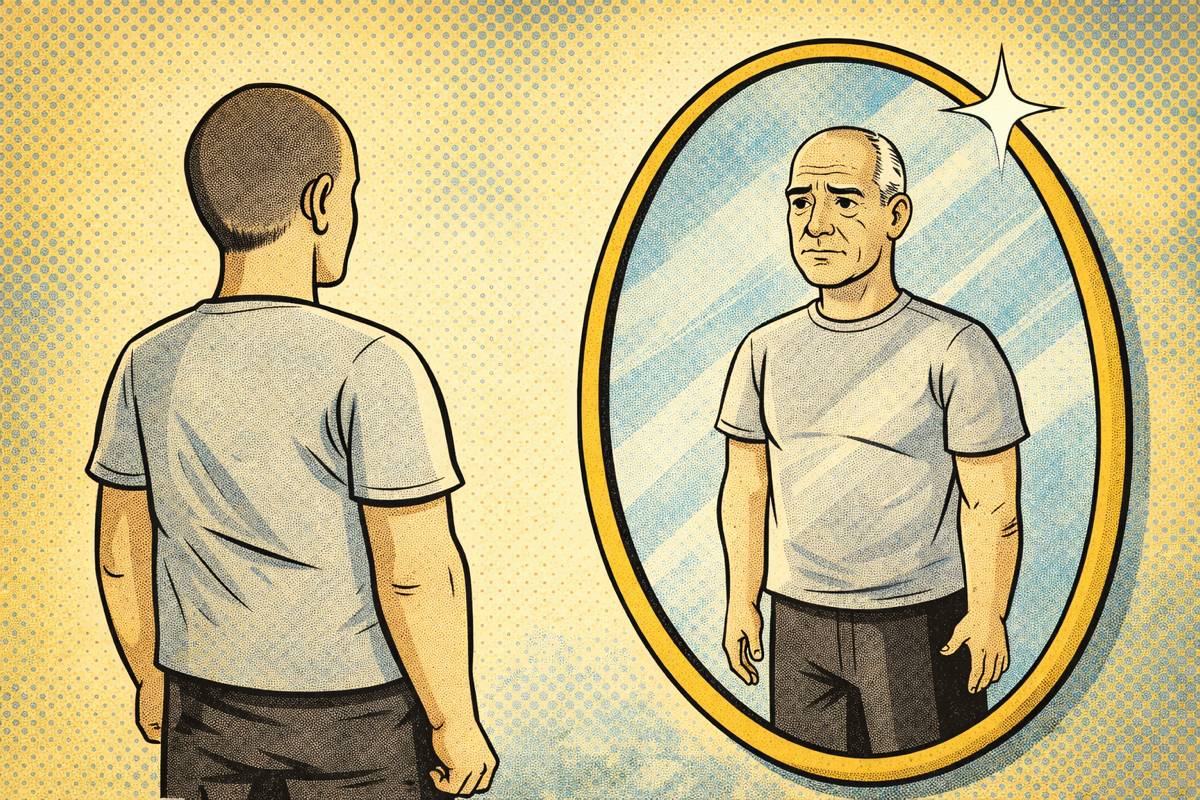
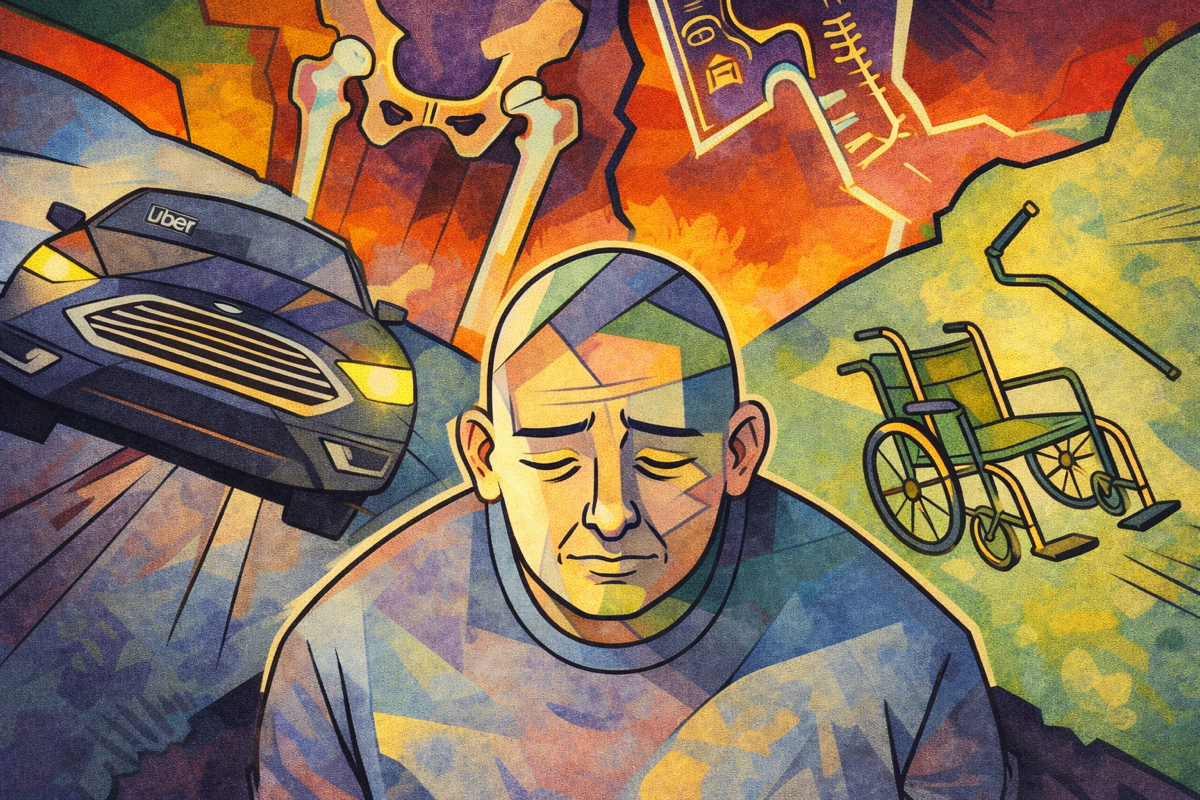
This is where I probably differ from most lawyers. I don’t just use drawings as exhibits. I use them as emotional bridges. In one series, I show my client before the crash standing in front of a mirror. He wanted to become a different person, and after years he became Strong. Confident. Upright. He saw himself as capable. Then I show him years later in that same mirror, after the crash, posture different, face different, expression different. He sees himself as older than he should be. Diminished. Worn down. Broken. There is no blood. No surgical hardware. No medical jargon. Just identity.
Jurors immediately understand that. They’ve all looked in the mirror and seen time. They know what it means to feel different inside your own body.
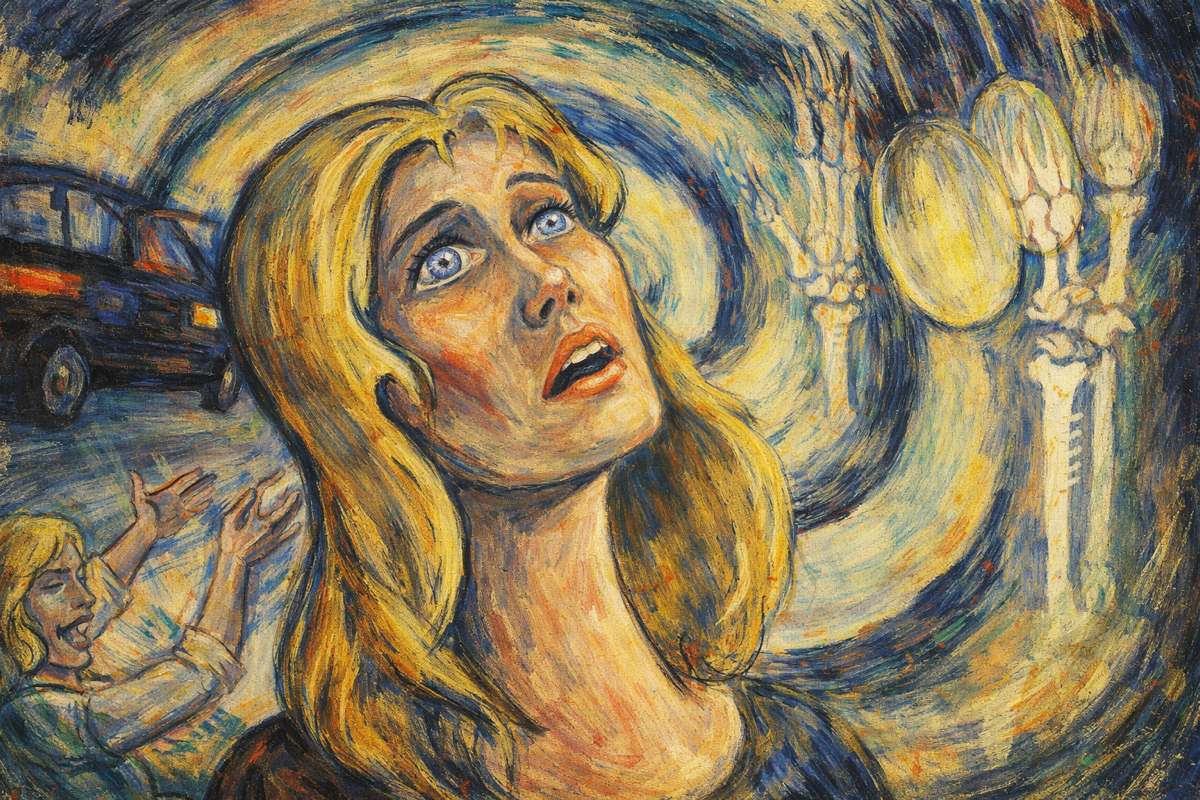
In another set of drawings – three different cases – I illustrate PTSD and emotional injury. Not through charts. Through imagery. Nightmares of the accident replaying. The brain lit up with anxiety. The body frozen in fear. The crash scene bleeding into sleep. You can show that with a sterile medical report. Or you can show it visually – the terror, the fragmentation, the way trauma lives in the mind long after the event ends. Jurors don’t need a DSM code to understand that. They need to see it.
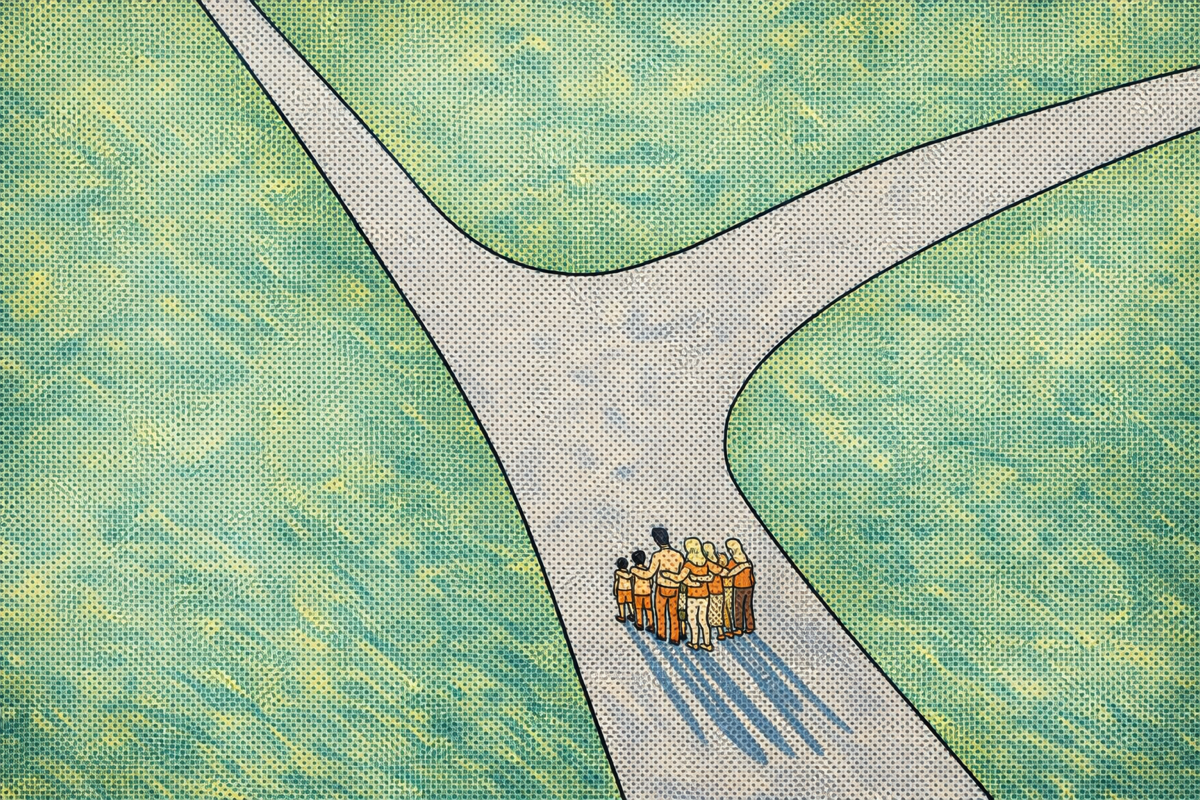
And then there’s the last drawing: A family standing together on a long road that stretches out ahead of them. My client in the middle. That road is the future. The surgeries. The limitations. The pain. The uncertainty. The responsibility the defendant created. There’s something powerful about showing a road instead of a number. Because jurors know what it means to walk one. A photograph freezes a moment. A drawing invites reflection.
When jurors see these illustrations, they don’t feel manipulated. They feel included. They project themselves into the image. That’s the difference.
Improvisation
Before I was a trial lawyer, I was an actor for nearly 30 years. Improv teaches you to listen, to stay present, and to respond truthfully in the moment. Too many closings are delivered exactly as written, regardless of what happened in trial. But trials breathe. A witness hesitates. A juror reacts. A defense expert overreaches. If you’re present, you can incorporate that into closing. You can reference what the jury actually saw and felt. A shared experience. That builds trust. And trust is the foundation of a substantial damages award.
Structure matters
Let me be clear: Creativity without mastery is dangerous. You cannot play with form unless you know the record cold. Every unconventional closing I’ve given rests on:
- Complete command of the evidence.
- A clear damages theme.
- Respect for the jury. (Don’t try to trick them or oversell)
If the device overshadows the case, don’t use it. But if it clarifies the human loss, lean in.
Talking about the number
At some point, you have to ask for money. I don’t apologize for big numbers when the harm is big. It must be big to be fair. Often, I translate it into time. Per year. Per month. Per day. Jurors understand days. They understand what a day of pain is worth.
When you’ve walked them through the daily loss – mornings, nights, holidays – the number doesn’t feel inflated. It feels proportional.
The risk
Is there risk in doing it this way? Of course. A joke can fall flat. A prop can misfire. A judge can look at you sideways. But there is also risk in being forgettable. Safe closings rarely produce extraordinary verdicts. We owe our clients more than safe. We owe them courage. Not ego. Not theatrics... (ok, some theatrics). Courage in service of helping 12 strangers understand what was taken.
Final thought
Damages are the soul of the case. If we present them clinically, jurors will calculate clinically. If we present them humanly, jurors will restore dignity. You don’t have to become a tree. You don’t need a puppet. You don’t need a BS Meter. But you do need to help jurors feel the loss. Because when they feel it, they will understand it and protect it. And that’s what we’re there to do.
Brian Breiter is a civil trial lawyer practicing since 1995 in the area of plaintiff’s personal injury. He was nominated as CAALA’s Trial Lawyer of the Year for 2020 and 2019. He is a Lifetime Fellow of ABOTA.
Brian Breiter

Brian Breiter is a civil trial lawyer practicing since 1995 in the area of plaintiff’s personal injury. He was nominated as CAALA’s Trial Lawyer of the Year for 2020 and 2019. He is a Lifetime Fellow of ABOTA.
Copyright ©
2026
by the author.
For reprint permission, contact the publisher: Advocate Magazine